Sever’s Disease / Calcaneal Apophysitis
Sever’s disease, also called calcaneal apophysitis, is one of the most common causes of heel pain in children.
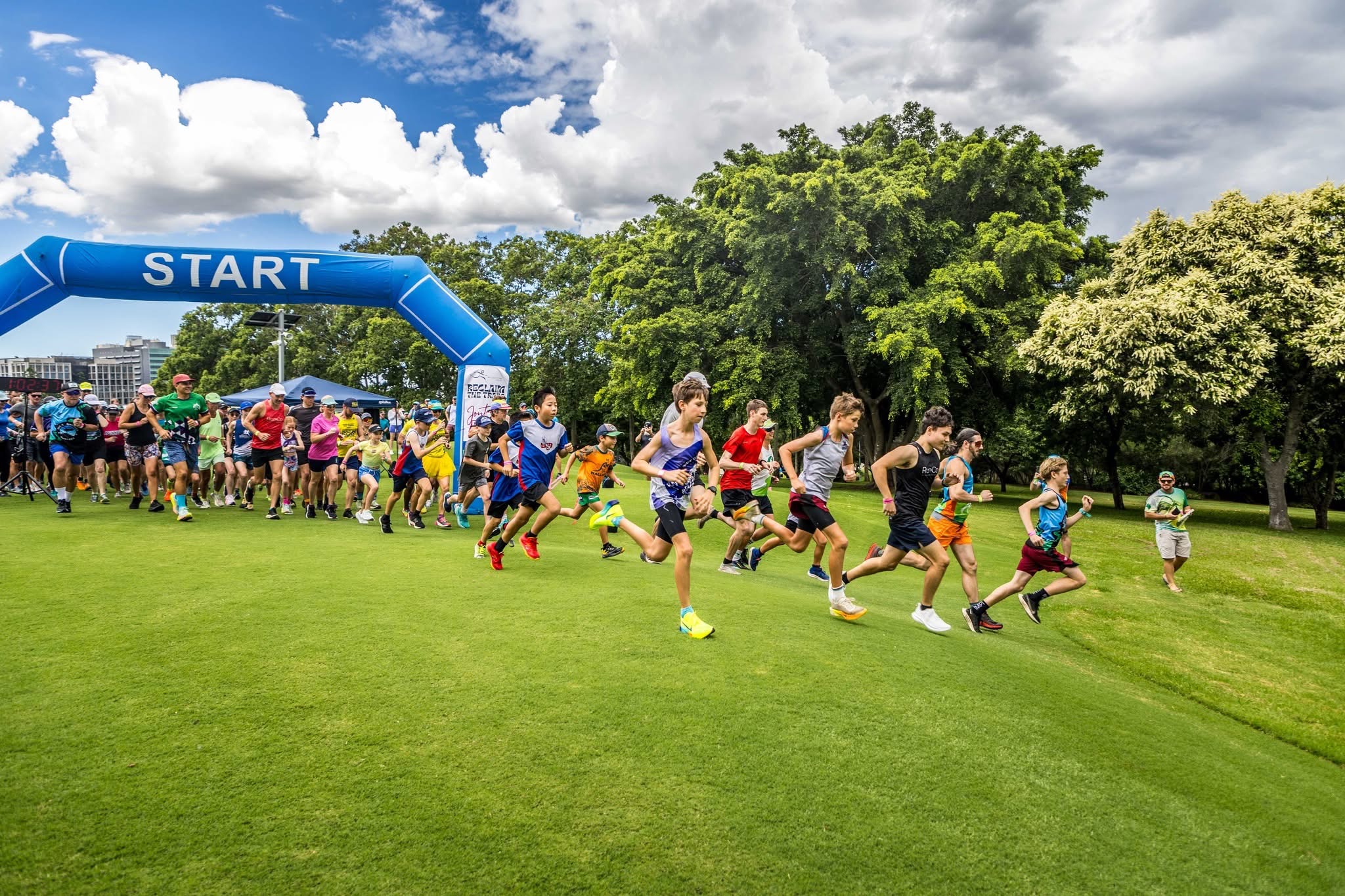
Calcaneal apophysitis usually develops during a period of growth, especially in active kids who spend a lot of time running, jumping, and playing sport. Your child may start complaining of heel pain after activity, limping after sport, or avoiding running because the heel keeps getting sore.
Why does my child have heel pain?
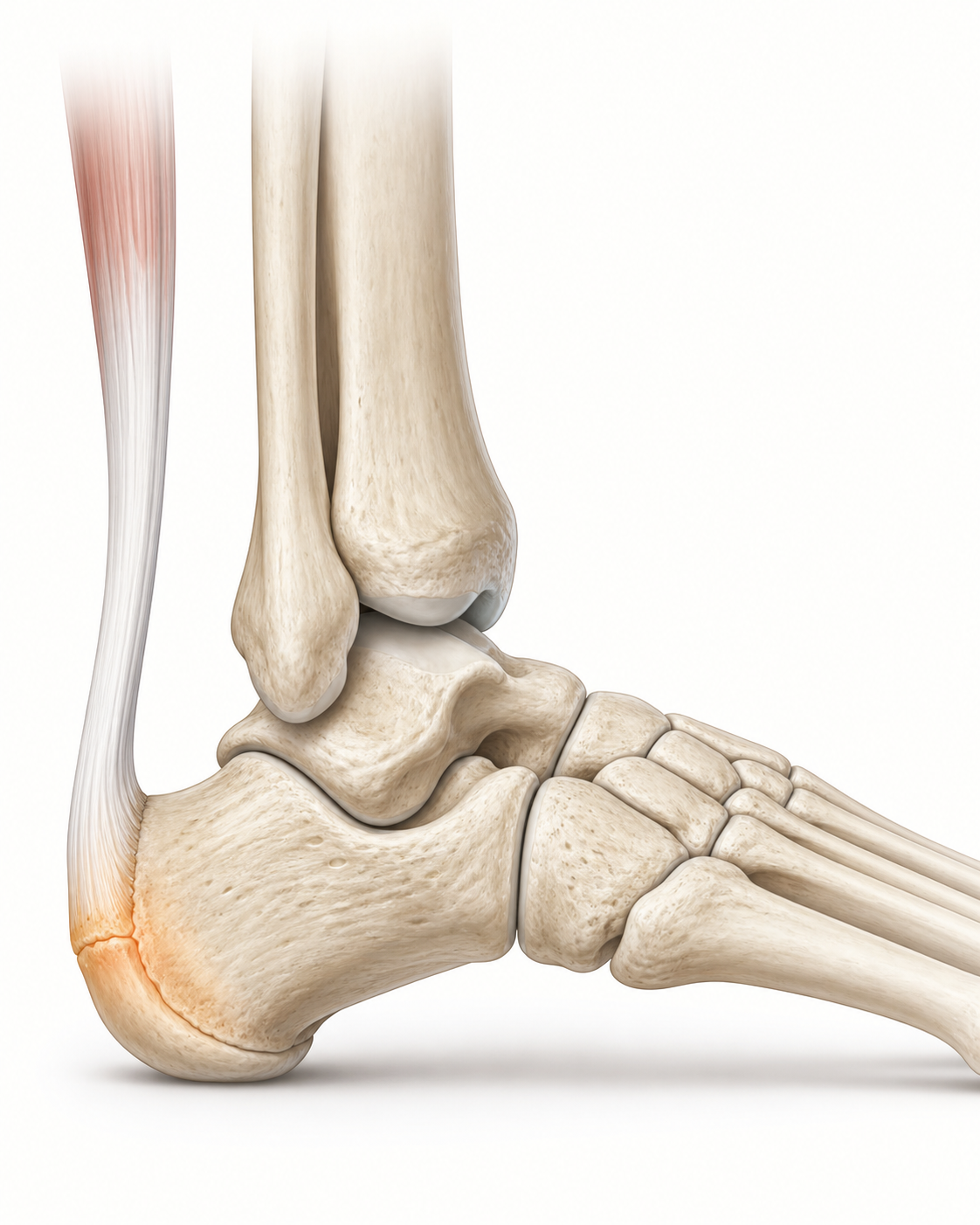
In children, the back of the heel contains a growth plate. During growth spurts, this area can become sensitive when it is exposed to repeated stress from running, jumping, walking, and sport.
The heel is loaded from the ground, while the calf and Achilles tendon also pull through the heel from the other end. When the total load becomes more than the heel can comfortably tolerate, the area can become irritated and painful.
What are the symptoms of Sever’s disease?
Children with Sever’s disease may notice:
- heel pain during or after sport
- limping after running or jumping
- pain that settles with rest, then returns with activity
- soreness first thing in the morning
- pain after busy days on their feet
- tenderness around the back or bottom of the heel
- reluctance to run, jump, or play at their normal level
Why does Sever’s disease keep flaring up?
Sever’s disease can be frustrating because your child may look fine one day, then limp after sport the next.
This happens because the heel may tolerate some activity, but flare once running, jumping, or time on feet crosses the current loading limit.
This is why we aim to find the right loading window. Enough movement to keep your child active and confident, but not so much that the heel keeps getting stirred up every time activity builds.
Can my child keep playing sport with Sever’s disease?
In many cases, children can keep moving and stay involved in activity, but the amount of running and jumping may need to be adjusted for a period.
If your child is limping, changing how they run, or getting worse as activity continues, that is usually a sign the heel is not coping with the current load.
For some children, this may mean reducing training volume, modifying drills, limiting repeated jumping, or taking short breaks from the most irritating activities.
For others, simple changes to footwear, heel cushioning, or load management are enough to make sport more comfortable.
how do you treat severs disease?
Treatment is aimed at reducing irritation and making the heel easier to load while it settles.
This may include:
- changing the amount of running and jumping for a period
- using shoes with more cushioning or support
- adding a heel lift or heel pad to reduce stress on the sore area
- using taping or temporary support when needed
- improving calf, foot, and lower limb strength
- gradually rebuilding tolerance to walking, running, and sport
In some children, orthoses may help by changing how load moves through the foot and reducing pressure through the irritated heel.
Does my child need orthotics for Sever’s disease?
Not always.
Some children improve with footwear changes, heel cushioning, load management, and exercise. Others may benefit from heel lifts, heel pads, or orthoses if the way load is moving through the foot is adding extra stress to the sore heel.
They are used when they help reduce stress on the painful area, improve comfort, and allow your child to keep moving while symptoms settle. Once the symptoms settle, the orthotic is removed.
How do we help Sever’s disease at Functional Soles?
At Functional Soles, we assess whether your child’s heel pain fits the pattern of Sever’s disease and what is consistently flaring it.
It is worth getting your child’s heel pain assessed if:
- the pain keeps coming back
- your child is limping after sport
- running or jumping is becoming difficult
- symptoms are getting worse
- pain is affecting normal walking or play
- you are unsure whether it is Sever’s disease or something else
We look at how irritable the heel is, how your child is moving, what shoes they are wearing, how much sport and activity they are doing, and whether the foot and calf system is coping with the load being asked of it.
From there, we help guide the decisions that matter.
This may include footwear advice, heel lifts, heel pads, orthoses where appropriate, activity modification, and exercises to help your child rebuild tolerance.
What we offer
Our goal is to provide a long-term solution for you and your family.
We believe that every case is different and as such we will always work with you to find the best treatment for you and your needs.